
Monthly Archives: June 2025

Addiction as Idolatry: A Reformed Perspective on True Deliverance

Addiction is often described in medical or psychological terms—a disorder of the brain or a failure of impulse control. While these explanations offer helpful insights, they do not reach the root of the problem. From a Reformed Christian perspective, addiction is ultimately a form of idolatry: a turning of the heart toward false gods that promise life but deliver death. Understanding addiction in this light helps point the way to true deliverance—through the grace of God in Christ alone.

The Nature of Idolatry

Scripture teaches that all people are worshippers by nature. As image-bearers of God, we are designed to seek, love, and serve our Creator. But because of the fall, as Reformed theology emphasizes in the doctrine of total depravity, our hearts are corrupted. Instead of worshipping God, we turn to created things to satisfy our deepest needs and desires. Romans 1:25 puts it plainly: we “exchanged the truth about God for a lie and worshiped and served the creature rather than the Creator.”

Addiction is a modern form of this ancient sin. Whether the idol is a substance, a behavior, or an experience, the addict looks to it for comfort, escape, identity, or purpose. What begins as a voluntary pursuit of pleasure becomes slavery. Like all idols, addiction demands sacrifices—of health, relationships, integrity, and peace—and it never truly satisfies. The addict finds, again and again, that their chosen “god” leaves them empty and ashamed.

The Only Hope: The True and Living God

If addiction is idolatry, then the solution is not simply self-control or better choices, but a return to the worship of the true and living God. The Reformed faith points us to the only deliverer: Jesus Christ. As the Heidelberg Catechism reminds us, our only comfort in life and death is that we belong, body and soul, to our faithful Savior.

True deliverance begins when the addict repents—turning away from false gods—and believes in Christ. This is not a matter of human effort, but of sovereign grace. God, by His Spirit, opens blind eyes, softens hard hearts, and draws sinners back to Himself. Ezekiel 36:26 describes this miracle: “And I will give you a new heart, and a new spirit I will put within you.”

Through union with Christ, the addict is not only forgiven, but also set free from sin’s dominion. Romans 6:14 declares, “For sin will have no dominion over you, since you are not under law but under grace.” This freedom is not instantaneous perfection but a lifelong process of sanctification as the Holy Spirit reshapes desires and strengthens the soul to resist temptation.

The Church’s Role

The Reformed tradition teaches that sanctification happens in community. The Church is called to come alongside those struggling with addiction, offering gospel hope, accountability, prayer, and practical help. In this covenant community, addicts are reminded of God’s promises and encouraged to persevere in faith and obedience.

Conclusion

Addiction, at its core, is idolatry—a worship disorder. But in Christ, true deliverance is possible. By grace alone, through faith alone, the idolater is transformed into a worshiper of the living God, finding in Him the joy and freedom that no false god can give.
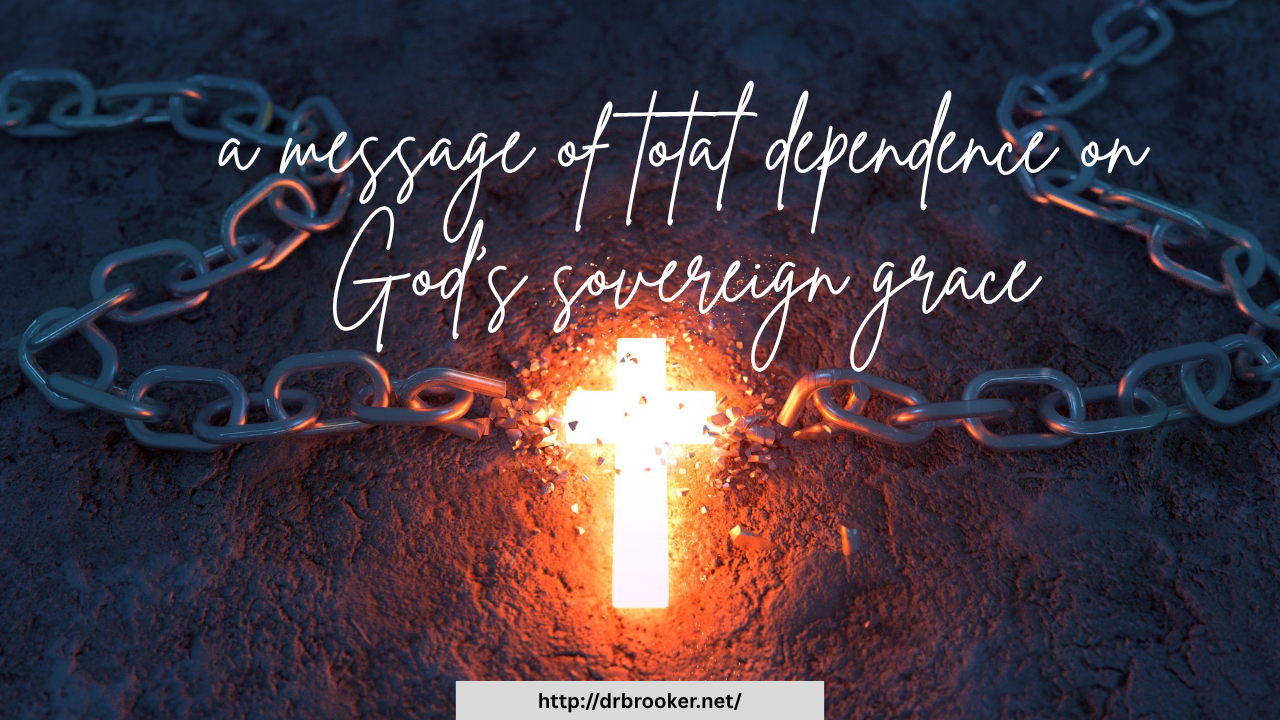
Breaking the Chains: How Reformed Theology Offers Hope for Addicts

Addiction is more than a bad habit or a series of poor choices—it is bondage. Whether it’s drugs, alcohol, pornography, or another destructive behavior, addiction enslaves the heart and mind. In this captivity, many lose hope. They try and fail, again and again. But Reformed theology offers a message that speaks directly into the darkness of addiction: a message of total dependence on God’s sovereign grace, the power of Christ to save, and the work of the Holy Spirit to transform.

Understanding the Root: Total Depravity

At the heart of Reformed theology is the doctrine of total depravity. This biblical truth teaches that sin has corrupted every part of human nature. As Paul writes in Romans 3:10, “None is righteous, no, not one.” Addiction is a vivid example of this corruption—where desires become twisted, and what begins as pleasure becomes prison.

Rather than minimizing sin, Reformed theology shines a light on the depth of human brokenness. This may sound discouraging, but it’s actually the starting point of true hope. When we admit we are spiritually powerless, we are finally ready to receive help from outside ourselves. The addict doesn’t need self-reform; they need a new heart—and that is exactly what God offers.

Sovereign Grace: Hope for the Helpless

The doctrine of sovereign grace—the unmerited favor of God given freely to sinners—is the cornerstone of Reformed theology. For the addict who has burned every bridge and failed repeatedly, this is incredibly good news. Salvation is not based on effort, willpower, or past performance. It is a gift. Ephesians 2:8-9 declares, “For by grace you have been saved through faith… it is the gift of God, not a result of works.”

Reformed theology teaches that God chooses to save not because of who we are, but in spite of who we are. This means no one is beyond His reach. The addict is not too far gone, too weak, or too broken for the power of the gospel. God’s grace is not only sufficient to forgive sin but to break the power of it.

Freedom in Christ Alone

Christ didn’t come merely to improve lives—He came to set captives free. In John 8:36, Jesus says, “If the Son sets you free, you will be free indeed.” Reformed theology places Christ at the center of all hope and healing. The addict does not fight alone. In union with Christ, they share in His victory over sin and death.

Through Christ’s atoning death, sin’s penalty is paid. Through His resurrection, new life is guaranteed. The addict who places faith in Christ receives more than forgiveness—they receive power to change, as the Holy Spirit begins the lifelong process of sanctification.

The Church: A Place for Restoration

The Reformed tradition emphasizes the role of the covenant community—the Church—as vital to the Christian life. Addicts need a gospel-saturated environment where they are supported, discipled, and held accountable. The Church is not a place for perfect people but for broken ones being restored by grace.

Conclusion

Addiction is real bondage, but Reformed theology offers real freedom. It does not begin with human strength but with God’s initiative. Through total depravity, sovereign grace, and the sufficiency of Christ, addicts can break the chains—not by themselves, but by the power of the gospel. There is hope for the addict—and that hope is found in Christ alone.