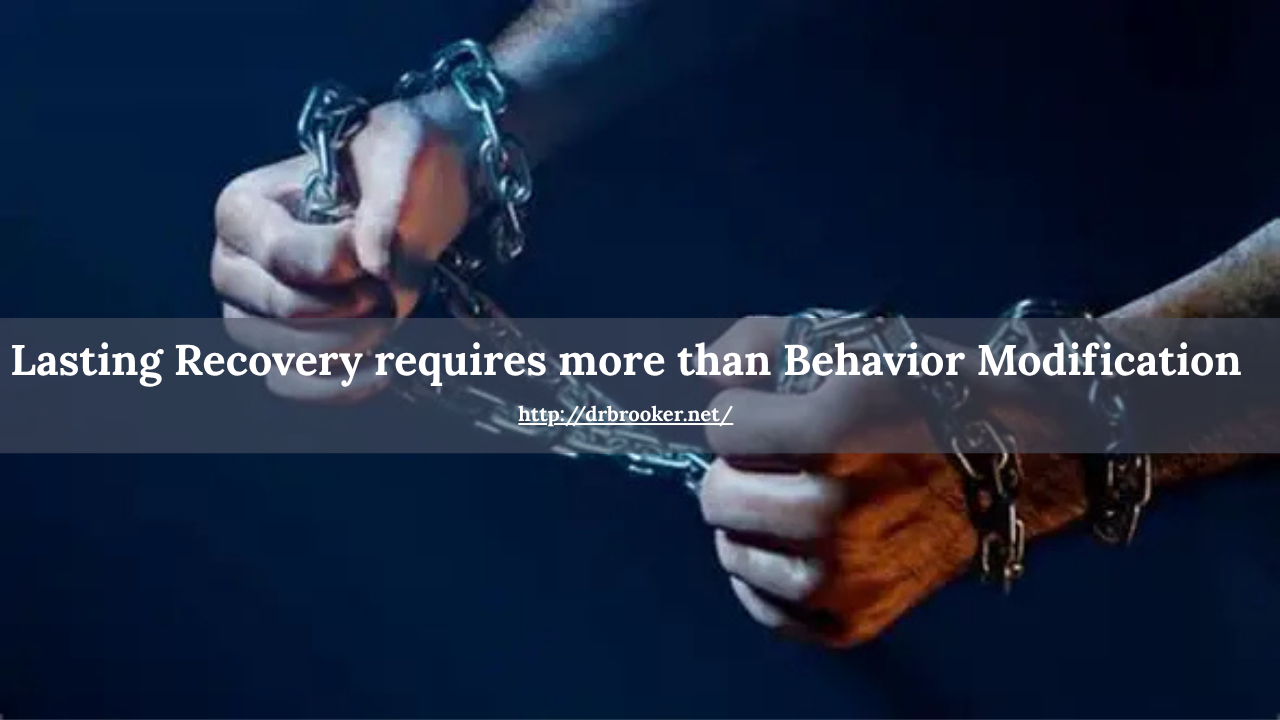
Addiction is one of the most enslaving forms of human brokenness. Whether it manifests as substance abuse, compulsive behaviors, or destructive habits, addiction captures the heart and mind, leaving individuals trapped in cycles of despair. Many seek freedom through willpower, therapy, or self-help methods, but find only temporary relief. Lasting recovery requires more than behavior modification—it requires a new heart. This is where the Doctrines of Grace, central to Reformed theology, offer real and transformative hope.
Total Depravity: Understanding the Depth of the Problem
The first doctrine of grace, total depravity, teaches that sin has corrupted every part of human nature. This does not mean that people are incapable of good actions, but that sin touches the mind, will, and desires. For those battling addiction, this doctrine provides clarity: addiction is not just a bad habit or a character flaw—it is a manifestation of the human condition in rebellion against God. As Romans 3:10 states, “None is righteous, no, not one.”
Acknowledging total depravity is the beginning of healing. It frees the addict from the illusion of self-salvation and points them toward the only true source of rescue—God’s grace.
Unconditional Election: Hope for the Hopeless
Unconditional election teaches that God chooses to save sinners not based on merit, effort, or personal worthiness, but solely by His sovereign love. This truth is profoundly comforting to the addict who feels unworthy of redemption. Ephesians 1:4-5 reminds believers that God chose them in Christ before the foundation of the world. For the addict, this means that God’s grace reaches down into the depths of bondage with the power to rescue, regardless of past failures.
Limited Atonement: Christ’s Effective Work
Limited atonement, or particular redemption, emphasizes that Christ died specifically to save His people, securing both their forgiveness and transformation. John 10:15 says, “I lay down my life for the sheep.” For the addict, this means Christ’s sacrifice is not a general offer of help—it is a personal, powerful act that guarantees real deliverance from sin’s grip.
Irresistible Grace: The Power to Change
Irresistible grace teaches that when God calls a sinner to Himself, that call is effective and cannot ultimately be resisted. The Holy Spirit changes the heart, making repentance and faith possible. For the person trapped in addiction, this means that God’s grace is stronger than their bondage. Philippians 2:13 assures, “For it is God who works in you, both to will and to work for His good pleasure.”
Perseverance of the Saints: Strength to Endure
Recovery from addiction is a lifelong journey. The doctrine of the perseverance of the saints provides assurance that God will sustain His people to the end. As Jesus says in John 10:28, “No one will snatch them out of my hand.” Even when relapses occur, God’s grace never lets go.
Conclusion: Freedom Through Sovereign Grace
The Doctrines of Grace offer more than theology—they offer a lifeline to the addicted soul. By acknowledging total depravity, trusting in sovereign grace, and resting in Christ’s finished work, addicts can experience true freedom. God’s grace doesn’t just forgive—it breaks chains and transforms lives for His glory.
