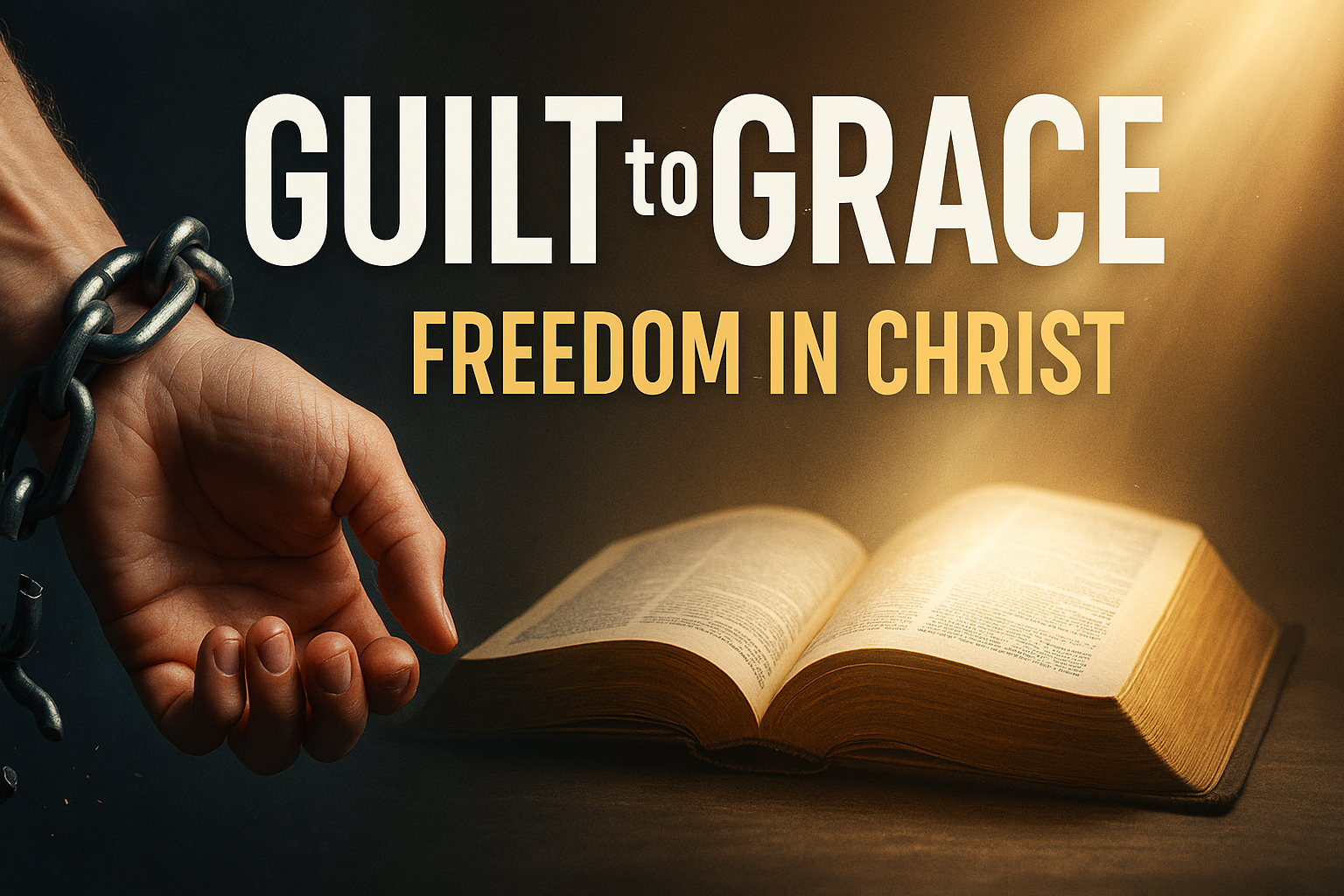
Knowing what is right does not always make it easy to change. For someone struggling with addiction, the gap between good intentions and repeated substance use can lead to frustration, guilt, and questions about faith. A Reformed Christian approach to addiction recovery recognizes that moral guidance matters, but rules alone cannot address every physical, emotional, and spiritual challenge associated with substance use. By understanding the relationship between God’s law and grace, individuals can pursue recovery with greater honesty, hope, and accountability while receiving the professional care needed to build a healthier life.
Understanding Addiction Beyond Willpower
Addiction is a complex condition that can affect physical health, mental well-being, relationships, and spiritual life. Although personal choices matter, substance use disorders are not simply a matter of weak character or insufficient determination.
People may begin using alcohol or drugs to manage stress, grief, anxiety, trauma, or loneliness. Over time, substance use can become a deeply established pattern that continues despite serious consequences.
Why Good Intentions May Not Be Enough
Many people enter recovery with sincere promises to stop using substances. They may set firm rules for themselves, avoid certain situations, or rely on determination to resist cravings. However, when withdrawal symptoms, emotional distress, or familiar triggers return, those strategies may not provide enough support.
Repeated attempts to quit can become discouraging. A person may begin to believe that they have failed morally or spiritually because they have not been able to maintain change.
In reality, addiction may require medical assessment, counseling, structured treatment, and ongoing support. Recognizing the need for these resources is not a rejection of faith. It is an important step toward addressing the full scope of the problem.
Addiction Can Affect Mental and Emotional Health
Mental health concerns can influence both the development of addiction and the recovery process. Depression, anxiety, trauma, and chronic stress may contribute to substance use or make it harder to maintain sobriety.
For example, someone who relies on alcohol to manage anxiety may find that stopping alcohol use exposes feelings they have avoided for years. Without healthier coping strategies, the temptation to return to drinking may become stronger.
Effective treatment should therefore consider the emotional and psychological factors surrounding substance use, not only the behavior itself.
The Role of God’s Law in Christian Addiction Recovery
In Reformed Christian theology, God’s law provides a standard for understanding right and wrong. It reveals the seriousness of sin, encourages obedience, and helps believers examine their actions in light of God’s character.
For someone struggling with addiction, this perspective can encourage honesty and personal responsibility. However, understanding the law’s purpose also means recognizing its limits as a tool for producing personal change.
Truth Helps People Acknowledge the Problem
Recovery often begins when a person stops minimizing the effects of substance use.
This may mean acknowledging that drinking has damaged a relationship, that drug use is affecting employment, or that attempts to control substance use have repeatedly failed.
Honest self-examination can help individuals identify where change is needed. Consider asking yourself:
- Has substance use affected my health, relationships, or responsibilities?
- Do I continue using alcohol or drugs despite wanting to stop?
- Am I hiding the extent of my substance use from people who care about me?
- What situations or emotions tend to trigger cravings?
- What professional support might help me move forward?
These questions are intended to clarify the problem, not deepen shame. Facing reality gives a person a more reliable foundation for making changes.
Rules Cannot Heal Every Underlying Struggle
Knowing what should change does not automatically provide the resources to make that change possible.
A person may understand the harm caused by addiction and still struggle with cravings, withdrawal, emotional pain, or compulsive patterns. Repeatedly telling themselves to try harder may increase frustration without addressing these underlying challenges.
This is where professional treatment becomes important. Counseling, medical care, behavioral strategies, and recovery support can help people develop practical skills that complement their personal and spiritual commitments.
Why Grace Matters When Recovery Becomes Difficult
Grace is central to the Christian understanding of salvation. In Reformed theology, God’s favor is not earned through flawless performance. Instead, grace points to God’s mercy and the work of Jesus Christ.
For people experiencing addiction, this truth can challenge the belief that repeated struggles make them unworthy of hope or help.
Grace Offers Hope Beyond Shame
Guilt can sometimes encourage someone to recognize harmful behavior and make amends. Shame, however, can become a damaging belief that the person is fundamentally broken or incapable of change.
When shame takes hold, individuals may hide their struggles, withdraw from their church community, or avoid treatment because they fear being judged.
A grace centered understanding offers a different path. It allows a person to acknowledge mistakes without treating those mistakes as the final word on their life.
For example, someone who returns to substance use after a period of sobriety may feel tempted to give up. Rather than viewing the setback as proof that recovery is impossible, they can contact a treatment professional, identify what contributed to the situation, and strengthen their support plan.
Grace provides a reason to keep seeking help, even when progress has been difficult.
Grace and Accountability Belong Together
Grace does not mean ignoring the consequences of addiction. It does not excuse harmful behavior or remove the need to repair relationships.
Instead, grace can make accountability more constructive. A person can take responsibility for past actions while recognizing that change remains possible.
That may involve being honest with loved ones, following treatment recommendations, avoiding high-risk situations, and developing healthier responses to stress.
The goal is not perfection overnight. It is consistent movement toward healthier choices, supported by appropriate care and accountability.
Combining Reformed Christian Faith With Professional Treatment
Faith and professional addiction treatment can support different but complementary aspects of recovery. Spiritual practices may help individuals explore meaning, forgiveness, and hope, while clinical services address the medical, behavioral, and psychological aspects of addiction.
Inpatient Treatment Can Provide Structure
Inpatient addiction treatment may be appropriate for individuals who need intensive support, medical supervision, or a structured environment away from everyday triggers.
Depending on the program, services may include counseling, medical care, mental health support, recovery education, and opportunities for spiritual reflection.
This setting can help individuals focus on stabilization and begin developing practical strategies for maintaining recovery.
People who may be physically dependent on alcohol or certain drugs should seek medical advice before stopping suddenly. Withdrawal can be dangerous in some circumstances and may require supervised treatment.
Outpatient Treatment Can Support Continued Progress
Outpatient treatment allows people to receive professional care while living at home and maintaining suitable daily responsibilities.
It may be appropriate for individuals whose needs can be safely managed outside a residential setting. It can also help people continue building recovery skills after completing a more intensive program.
The right level of care depends on substance use history, medical needs, mental health, living circumstances, and available support. A qualified professional can help determine the most appropriate option.
Individualized Care Addresses the Whole Person
No two recovery experiences are exactly alike. Some people need help managing trauma or anxiety, while others require medical support, family counseling, or assistance rebuilding their daily routines.
A holistic treatment plan considers these different needs rather than focusing only on stopping substance use. It may address physical wellness, emotional health, relationships, spiritual concerns, and long-term relapse prevention.
Personalized care also allows treatment providers to adjust the plan as a person’s needs change.
Practical Ways to Apply Truth and Grace in Daily Life
Christian principles become especially meaningful when they influence everyday decisions. Small, consistent actions can help people build a recovery routine that supports both faith and well-being.
Create a Daily Practice of Reflection
Prayer and Scripture reading can help Christians reflect on their choices, seek wisdom, and find encouragement during difficult periods.
Consider setting aside time each day to ask:
- What challenges am I facing today?
- Where do I need to be more honest with myself or others?
- What healthy action can I take when stress increases?
- Who can I contact if I need support?
This practice should encourage reflection rather than become another standard by which to condemn yourself.
Build a Supportive Community
Recovery can become more difficult when a person feels isolated. Trusted relationships provide opportunities for encouragement, practical assistance, and accountability.
Depending on individual needs, support may include family members, pastors, Christian recovery groups, counselors, physicians, or addiction treatment professionals.
Choose people who will take your concerns seriously and encourage appropriate care. A faith community can be a valuable source of support, but it should not be expected to replace medical or mental health treatment when that treatment is needed.
Develop a Plan for Difficult Moments
Stress, conflict, loneliness, and exposure to familiar triggers can challenge recovery. Planning ahead makes it easier to respond constructively.
Work with your treatment team to identify warning signs, practice coping strategies, and decide whom to contact when cravings become difficult to manage.
If a setback occurs, seek help promptly. A return to substance use deserves attention, but it does not mean that further progress is impossible.
Moving From Rules to Meaningful, Lasting Change
Rules can provide direction, and accountability can encourage responsible choices. However, lasting addiction recovery usually requires more than knowing what not to do.
A Reformed Christian perspective brings together the truth of God’s law and the hope of grace. Truth helps people confront destructive patterns honestly. Grace reminds them that failure does not have to end the pursuit of restoration.
When these principles are combined with professional addiction treatment, mental health support, and individualized care, people can begin addressing the underlying challenges that make recovery difficult.
Conclusion: Take the Next Step Toward Recovery
If you are struggling with addiction, you do not have to choose between taking your faith seriously and receiving professional help. Both can have a place in a thoughtful recovery plan.
Consider reaching out to a qualified addiction treatment provider to discuss your circumstances and available options. Inpatient care, outpatient services, counseling, and faith informed support may each play a role, depending on your needs.
You do not need to resolve every struggle before asking for help. Begin with an honest conversation, accept appropriate support, and take one practical step toward change.
Faith can offer hope, grace can help you face setbacks, and professional care can provide the tools to move forward. Recovery is not about proving that you never struggle. It is about building a healthier life with honesty, support, and a willingness to keep going.