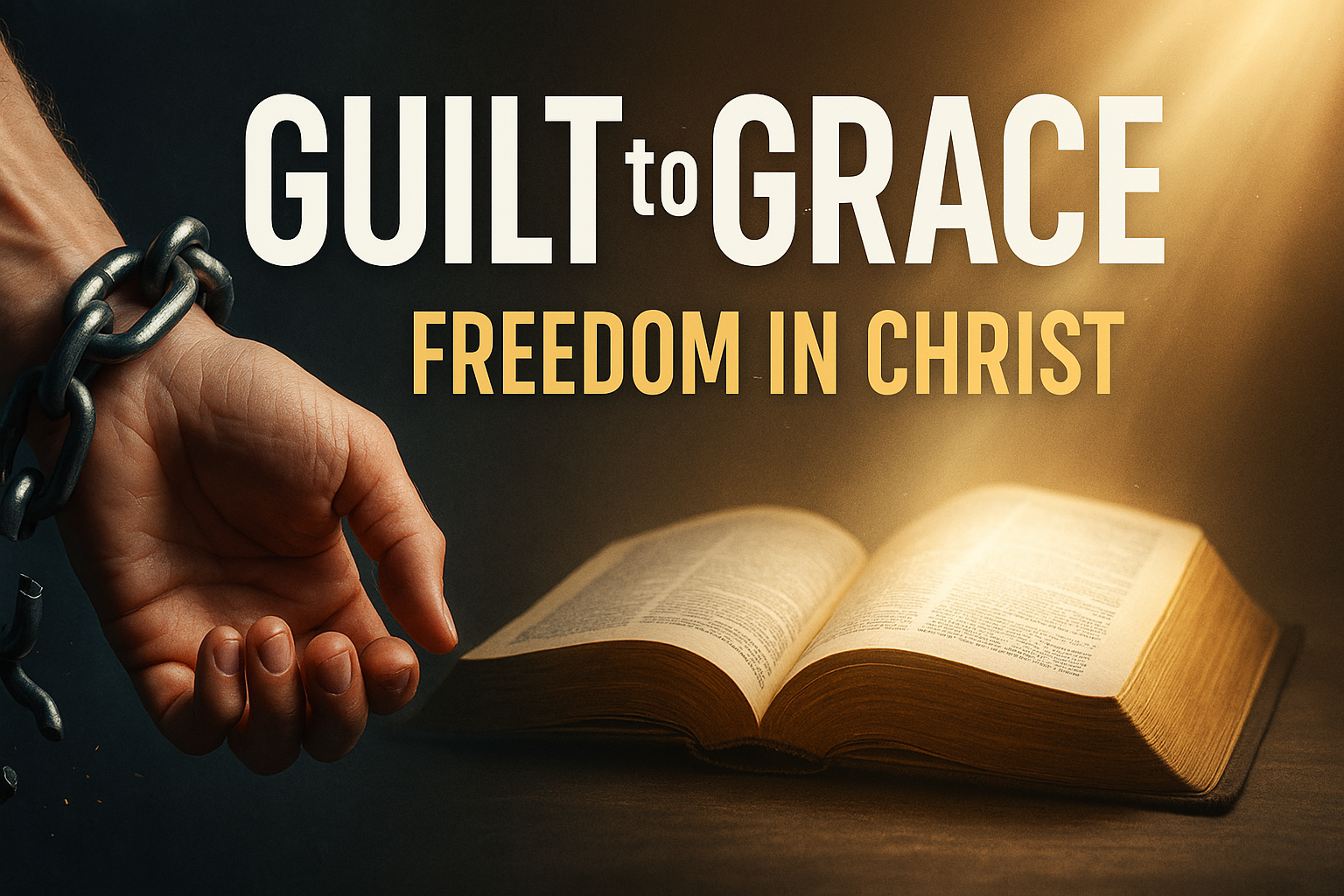
Addiction can trap people in a painful cycle of substance use, regret, promises to change, and repeated setbacks. For Christians, this struggle may also bring questions about faith, forgiveness, personal responsibility, and God’s willingness to restore those who have fallen. A Reformed Christian perspective on addiction recovery offers a meaningful way to approach these challenges by recognizing both the seriousness of destructive behavior and the hope found in God’s grace. When faith is combined with professional addiction treatment, mental health support, and an individualized recovery plan, people can begin building healthier patterns and pursuing lasting change.
Understanding the Cycle of Addiction
Addiction rarely affects just one part of a person’s life. It can influence physical health, emotional stability, family relationships, employment, finances, and spiritual well-being. Over time, substance use may become a repeated response to stress, loneliness, anxiety, trauma, or other difficult experiences.
Understanding this cycle is an important first step toward breaking it.
Why Addiction Can Be Difficult to Overcome
Substance use disorders involve complex changes in behavior, motivation, and brain function. Even when someone sincerely wants to stop using drugs or alcohol, cravings, withdrawal symptoms, environmental triggers, and emotional distress can make recovery challenging.
Some people use substances to temporarily escape painful feelings. Others may struggle with peer pressure, unresolved trauma, or mental health concerns. Eventually, substance use can create new problems that increase the desire to escape again.
This cycle is not necessarily a sign that someone lacks faith or does not care about their family. It may indicate that they need structured treatment, healthier coping strategies, and consistent support.
How Guilt and Shame Can Keep the Cycle Going
After a period of substance use, a person may feel guilty about broken promises, damaged relationships, or decisions that caused harm. While guilt can encourage accountability, persistent shame can lead to a belief that change is impossible.
Someone who feels unworthy of forgiveness may hide their struggle instead of asking for help. They might withdraw from their church community, avoid family conversations, or delay professional treatment because they fear judgment.
Breaking this pattern requires more than willpower. It calls for honesty, practical support, and a healthier understanding of responsibility and hope.
How a Reformed Christian Perspective Understands Grace
In Reformed Christian theology, grace is central to the understanding of salvation. People do not earn God’s favor through perfect behavior. Instead, salvation rests on God’s mercy and the work of Jesus Christ.
This theological foundation can shape how Christians approach addiction, failure, repentance, and restoration.
Grace Offers Hope Beyond Past Mistakes
A person struggling with addiction may believe that repeated failures have placed them beyond forgiveness. However, the Christian message of grace points toward hope that is not dependent on a flawless personal record.
This does not mean that harmful choices should be ignored. Rather, it means that a person’s failures do not have to determine every future decision.
Grace can encourage someone to acknowledge what has happened, seek forgiveness where appropriate, accept help, and begin taking practical steps toward recovery.
For example, someone who has repeatedly returned to alcohol use may feel tempted to give up after another setback. A grace centered perspective encourages that person to seek support, examine the circumstances that contributed to the setback, and work with qualified professionals to strengthen their recovery plan.
Grace Does Not Eliminate Accountability
Grace and accountability are not opposites. In a healthy recovery process, they work together.
A person may need to rebuild trust with loved ones, address financial consequences, follow treatment recommendations, or establish boundaries that reduce the risk of returning to substance use.
These steps can be difficult, especially when relationships have been strained for years. Nevertheless, accountability provides a practical way to demonstrate change through consistent actions.
Grace helps people face these responsibilities without believing that every mistake makes further progress pointless.
The Role of God’s Law in Addiction Recovery
A Reformed Christian understanding of addiction also recognizes the role of God’s law. Scripture provides moral guidance and helps people examine whether their choices reflect their beliefs and commitments.
However, recognizing a moral standard is not the same as having every resource needed to change a deeply established behavior.
Truth Encourages Honest Self Examination
Recovery begins with an honest assessment of the problem. This may include acknowledging how substance use has affected health, relationships, work, and spiritual life.
Honest reflection can help individuals identify patterns that need attention.
Consider asking the following questions:
- What situations or emotions commonly trigger the urge to use substances?
- Have I tried to stop without being able to maintain the change?
- Which relationships have been affected by my substance use?
- Am I using alcohol or drugs to cope with anxiety, sadness, or stress?
- What type of professional and spiritual support would help me move forward?
These questions are not intended to create more shame. They can help clarify where change is needed and which resources may be useful.
Lasting Change Requires More Than Good Intentions
A sincere desire to change matters, but addiction can involve physical dependence, psychological challenges, and environmental pressures that require specialized care.
Prayer, repentance, and personal discipline may be meaningful parts of recovery. They should not be treated as substitutes for medical assessment, counseling, or addiction treatment when those services are needed.
A balanced approach recognizes spiritual growth while also addressing the practical and clinical aspects of substance use disorders.
Combining Faith With Professional Addiction Treatment
Faith based addiction recovery can support spiritual reflection while professional treatment addresses the behavioral, emotional, and physical challenges associated with addiction.
These approaches can complement one another when care is respectful of the individual’s beliefs, needs, and treatment goals.
Mental Health Treatment Can Address Underlying Concerns
Addiction and mental health conditions sometimes occur together. Depression, anxiety, trauma related symptoms, and chronic stress may contribute to substance use or make recovery more difficult.
For this reason, a comprehensive treatment plan should consider the person’s mental health as well as their substance use.
Counseling can help individuals recognize emotional triggers, develop healthier coping mechanisms, improve communication, and address patterns that contribute to harmful behavior.
When mental health concerns are treated alongside addiction, people may gain a clearer understanding of their needs and develop more effective strategies for maintaining recovery.
Inpatient Treatment Can Provide a Structured Environment
Inpatient addiction treatment may be appropriate for individuals who need a higher level of support, medical supervision, or separation from environments that make recovery difficult.
Depending on the program, care may include individual counseling, group therapy, medical services, mental health support, recovery education, and opportunities for spiritual reflection.
For someone experiencing significant withdrawal risks or severe substance use problems, professional assessment is especially important. Alcohol and certain other substances can cause dangerous withdrawal symptoms, so stopping suddenly without appropriate medical guidance may be unsafe.
Outpatient Treatment Can Support Everyday Progress
Outpatient treatment allows people to receive professional care while continuing to live at home and maintain suitable work or family responsibilities.
It may be appropriate for individuals whose needs can be safely managed outside a residential setting. It can also support continued recovery following inpatient treatment.
The right level of care depends on several factors, including substance use history, withdrawal risk, mental health needs, home environment, and available support.
A professional assessment can help determine the most appropriate treatment option.
Practical Ways to Put Grace Into Action During Recovery
Understanding grace is important, but its value also becomes apparent through everyday choices. Small, consistent actions can help people build a recovery routine that reflects their faith and practical needs.
Establish a Daily Routine of Prayer and Reflection
Prayer can provide a regular opportunity to express fears, acknowledge struggles, and reflect on personal goals. Reading Scripture may also help Christians focus on forgiveness, perseverance, wisdom, and hope.
Consider setting aside a few minutes each day to reflect on questions such as:
- What challenge do I need help facing today?
- Where can I practice honesty and accountability?
- What healthy action can I take when stress increases?
- Who can I contact when I need support?
The purpose is not to achieve spiritual perfection. It is to develop a consistent practice that supports reflection and healthy decision making.
Build a Supportive Community
Isolation can make addiction recovery more difficult. Trusted relationships can provide encouragement, accountability, and practical help during challenging periods.
Depending on individual circumstances, support may come from family members, a pastor, a Christian recovery group, a counselor, or a professional treatment team.
Choose people who can respond with honesty and care while respecting appropriate boundaries. Spiritual support can be valuable, but serious substance use and mental health concerns may require qualified clinical assistance as well.
Treat Setbacks as a Reason to Reassess the Plan
A return to substance use can be discouraging, but it does not automatically mean that recovery has failed. It signals a need to respond carefully and reassess the support in place.
Contact a treatment professional, identify what contributed to the setback, and consider whether the current treatment plan needs to change. If substance use has resumed after a period of abstinence, seek prompt professional advice because tolerance may have decreased and overdose risk may be higher.
Grace offers hope, while practical action helps turn that hope into the next step.
Recovery and Restoration Begin With the Next Step
A Reformed Christian perspective on addiction recognizes that recovery involves both truth and hope. God’s law encourages honesty about destructive behavior, while grace points toward forgiveness, restoration, and the possibility of a different future.
Neither principle requires a person to face addiction alone. Professional treatment, mental health care, healthy relationships, and individualized support can all play important roles in the recovery process.
If addiction is affecting your life or the life of someone you love, consider reaching out to a qualified addiction treatment provider. Ask about available services, treatment options, and ways to incorporate faith into a personalized recovery plan.
You do not have to wait until the struggle disappears before asking for help. The first step may be a confidential conversation, a professional assessment, or an honest discussion with someone you trust.
Grace can offer a reason to hope, and seeking help can turn that hope into action. With appropriate treatment, ongoing support, and a willingness to keep moving forward, recovery and restoration can become meaningful goals rather than distant possibilities.