Christ’s Perfect Atonement: How Limited Atonement Secures True Deliverance from Addiction

Addiction is more than a physical struggle. It reaches into the heart, affecting relationships, emotions, and spiritual well-being. Many individuals battling addiction feel trapped in cycles of shame and hopelessness. Yet the Christian doctrine of limited atonement, also known as particular redemption, offers a life-giving message: Christ’s sacrifice on the cross was not general or uncertain but personal, complete, and effective. For those seeking lasting freedom from addiction, this truth provides a foundation of hope that cannot be shaken.

At Dr. Brooker & Associates, clients receive compassionate, faith-based, and individualized care through inpatient and outpatient programs. With a holistic approach to addiction recovery and mental health treatment, the focus is not only on breaking harmful patterns but also on discovering the deeper healing found in Christ’s perfect work of redemption.

Understanding Limited Atonement in Recovery

Limited atonement means that Christ’s sacrifice was intentionally given for His people, guaranteeing their salvation and freedom. Rather than being a vague possibility, the atonement is a powerful reality. For the addict who feels beyond reach, this doctrine is deeply reassuring. It declares that Christ’s death was sufficient and complete, securing real deliverance from both sin and the chains of addiction.

This truth removes the fear that freedom depends solely on human strength. Instead, it shifts the focus to God’s sovereign love, which cannot fail. In the context of recovery, it allows individuals to rest in the certainty that their healing is grounded in Christ’s finished work, not in their own performance.

The Power of Atonement in Healing

Addiction often thrives in environments of guilt, shame, and self-condemnation. Many who struggle carry deep wounds that make recovery feel impossible. The doctrine of limited atonement speaks directly to this pain by affirming that Christ bore not only sin in general but the specific guilt and brokenness of His people. His sacrifice secures forgiveness, renewal, and the power to walk in freedom.

At Dr. Brooker & Associates, recovery programs emphasize both professional clinical care and spiritual renewal. Through counseling, therapy, and biblical guidance, clients are encouraged to embrace the truth that they are not defined by their addiction but by Christ’s redeeming love.

Holistic and Faith-Based Support

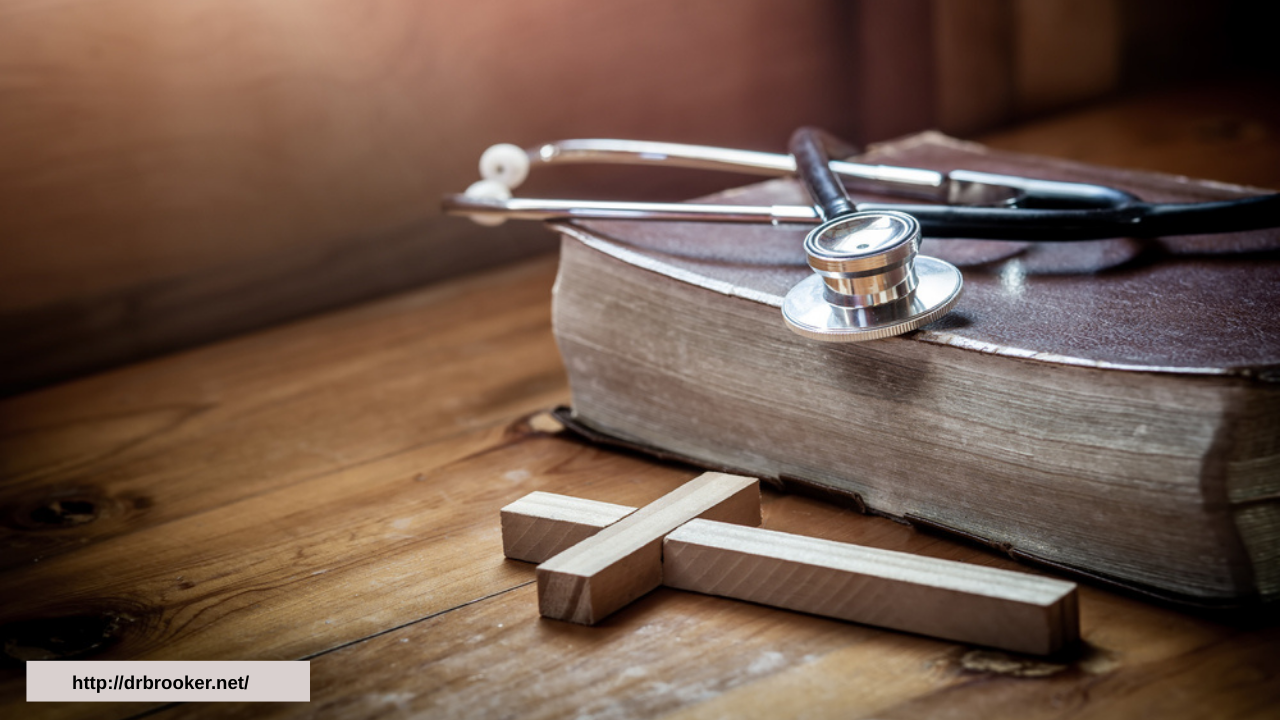
True recovery requires more than addressing physical symptoms. It involves healing the whole person: body, mind, and spirit. That is why Dr. Brooker & Associates offers a holistic and individualized approach. Inpatient care provides a safe environment for focused healing, while outpatient programs offer ongoing support and accountability. Alongside therapy and medical care, faith-based practices such as prayer, biblical study, and Christian fellowship are woven into treatment.

By combining evidence-based mental health treatment with the hope of the gospel, this approach ensures that recovery is both practical and transformative.

Finding Freedom in Christ’s Finished Work

For those caught in addiction, the message of limited atonement brings assurance that freedom is not a distant possibility but a secured reality. Christ’s sacrifice was not abstract or uncertain. It was complete, personal, and effective. This means that no addiction is stronger than His power to redeem.

If you or someone you love is struggling with addiction, there is hope. At Dr. Brooker & Associates, compassionate care and faith-based treatment are available to guide you toward healing. The journey to freedom begins with understanding that Christ has already paid the price. His perfect atonement is the foundation for lasting deliverance and a renewed life.

Chosen for Freedom: Unconditional Election and Recovery from Addiction

Addiction often feels like a never-ending cycle of defeat. Many who struggle believe they are beyond help, caught in patterns that cannot be broken. Yet the Christian doctrine of unconditional election offers a powerful reminder of hope. It teaches that God, in His infinite love, chooses and redeems people not because of their strength or merit but because of His grace. For those seeking freedom from addiction, this truth can transform despair into hope and bondage into freedom.

At Dr. Brooker & Associates, the mission is to walk with individuals through this journey of healing. With addiction recovery services, mental health treatment, and both inpatient and outpatient care, clients receive holistic, faith-based, and individualized support that acknowledges the complexity of addiction while pointing to the lasting power of God’s grace.

Understanding Unconditional Election in the Context of Addiction

Unconditional election, a central doctrine in Reformed theology, reminds us that God’s love is not based on performance, worthiness, or personal achievement. For someone struggling with addiction, this is life-changing. It means that even in the lowest moments, when guilt and shame feel overwhelming, God’s choice and love remain unshaken. Recovery, then, is not about earning God’s acceptance but about living in the freedom He has already secured.

This perspective helps remove the crushing weight of self-condemnation that so often accompanies addiction. It reframes recovery as a response to grace rather than an attempt to achieve it.

The Role of Grace in Healing and Recovery

When recovery feels impossible, grace provides the foundation for real change. Unconditional election assures us that God not only knows our struggles but also has chosen us for redemption and renewal. This does not remove the importance of counseling, therapy, and community, but it places them within the greater context of God’s transforming work.

At Dr. Brooker & Associates, recovery programs combine professional mental health treatment with spiritual guidance, reminding clients that healing is both a clinical and a spiritual process. Addiction is not simply a behavioral issue but a battle of the heart, mind, and body. Grace speaks to every part of that battle.

Individualized and Holistic Care for Lasting Change

Every recovery journey is unique. That is why personalized treatment plans are essential. The team at Dr. Brooker & Associates provides care that considers physical, emotional, and spiritual needs. Inpatient programs allow individuals to step away from harmful environments for focused healing, while outpatient care offers ongoing accountability and support in daily life.

Holistic approaches may include therapy, family support, nutrition, exercise, and spiritual practices. By integrating these elements, recovery becomes sustainable and deeply rooted, allowing individuals to thrive beyond addiction.

Chosen for Freedom: Taking the Next Step

Addiction tells people they are trapped, but unconditional election reminds us that in Christ we are chosen for freedom. No addiction is stronger than God’s saving grace. With the right support system, evidence-based treatment, and a faith-centered approach, lasting change is possible.

If you or someone you love is struggling with addiction, know that freedom is within reach. Dr. Brooker & Associates is here to provide compassionate, professional, and faith-based care designed to meet you where you are and guide you toward the life God has chosen for you.

Your journey to freedom can begin today. Reach out, take the first step, and discover the hope of being chosen and redeemed.

Irresistible Grace for the Addicted Soul: Finding Hope in Reformed Theology

Addiction can feel like a relentless prison. No matter how many times a person tries to break free, the pull of old habits, cravings, and destructive patterns can drag them back. Many people living with addiction struggle with shame, guilt, and the belief that lasting change is out of reach. In the Reformed Christian tradition, however, there is a life-changing truth: God’s grace is not only sufficient but irresistible. This grace has the power to transform even the most deeply entrenched life of addiction into one of hope, healing, and freedom.

At Dr. Brooker & Associates, the focus is on providing addiction recovery and mental health treatment that integrates faith-based principles with evidence-based care. Through inpatient and outpatient programs, holistic therapies, and personalized support, clients are guided toward both spiritual and emotional restoration.

Understanding Irresistible Grace in Recovery

In Reformed theology, irresistible grace refers to the work of the Holy Spirit in drawing a person to God in such a way that they cannot ultimately resist. This is not coercion. It is a loving, transformative calling that changes the heart, renews the mind, and empowers the will. For someone struggling with addiction, this truth offers profound hope. No matter how deep the struggle, God’s grace reaches further.

When applied to recovery, irresistible grace reminds us that the ultimate power for change does not come from self-reliance alone. While personal effort, counseling, and support systems are essential, it is God’s sovereign grace that breaks the strongest chains.

The Role of Faith in Healing

Faith plays a vital role in addiction recovery. At Dr. Brooker & Associates, a holistic, faith-based approach means addressing not only the physical symptoms of addiction but also the spiritual wounds beneath them. Addiction often thrives where there is hopelessness and disconnection from God. Through biblical counseling, prayer, and community support, individuals rediscover their identity in Christ and find the courage to rebuild their lives.

By recognizing that salvation and transformation are God’s work, recovery becomes less about striving and more about surrendering to His will. This perspective fosters peace and confidence, even in the face of setbacks.

Holistic and Individualized Care

Effective recovery acknowledges that no two journeys are the same. The team at Dr. Brooker & Associates provides individualized treatment plans that integrate mental health support, addiction therapy, and spiritual guidance. Whether through inpatient care for intensive support or outpatient programs for ongoing accountability, every client receives compassionate, personalized care.

Holistic recovery may include therapy, nutrition, exercise, and mindfulness practices alongside biblical discipleship. This approach ensures that healing is not only physical but also emotional and spiritual.

Taking the First Step Toward Grace and Freedom

If you or someone you love is trapped in addiction, know that there is hope beyond willpower and human strength. Irresistible grace means that God’s power to save and transform is greater than any addiction. Through a Christ-centered approach, compassionate care, and evidence-based treatment, freedom is possible.

At Dr. Brooker & Associates, every step of your journey is met with understanding, dignity, and faith. If you are ready to break free and experience the life God has called you to live, reach out today. Grace is calling. The door to freedom is open.

From Bondage to Freedom: Total Depravity and Total Redemption in Addiction Recovery

If you are navigating addiction recovery, mental health struggles, or seeking holistic healing, you might wonder how faith and proven treatment intersect. At DrBrooker.net, our mission is clear: we help individuals break free from addiction through comprehensive, faith‑based, and client‑centered care. This article explores how the Reformed doctrines of total depravity and total redemption offer a biblical lens and practical hope for recovery.

Understanding the Struggle: Total Depravity and Addiction

The doctrine of total depravity teaches that sin touches every part of our human condition. Addiction often manifests this reality—especially when inner brokenness, shame, and despair deepen the cycle of addiction. Recognizing total depravity means acknowledging that healing requires more than self‑will. It requires transformation from the outside in—the kind of breakthrough rooted in divine grace, not mere effort.

The Hope of Total Redemption: Recovery Through God’s Grace

Total redemption presents a powerful counter to addiction’s grip. It affirms that through Christ’s atoning work, true forgiveness, healing, and transformation are possible for all who place faith in Him. This is not generalized, distant hope—it is personal, immediate, and effective. Redemption means addictions can be confronted, identities renewed, and life renewed through Christ—not just recovered, but reborn.

How Dr Brooker Combines Doctrinal Truth with Real‑World Treatment

At DrBrooker.net, we offer addiction recovery services, mental health treatment, inpatient and outpatient care, all with a holistic, faith‑based, and individualized approach. We integrate biblical truths like those above alongside evidence‑based therapies such as cognitive behavioral therapy (CBT), motivational interviewing, and support for co‑occurring disorders. This aligns with best practices showing that combining spirituality and clinical care promotes lasting recovery.

Why Combining Faith and Science Works

Research shows faith‑based recovery enhances emotional resilience, sense of purpose, and reduces relapse risk by fostering strong community and spiritual growth. At DrBrooker.net, our compassionate professionals create a values‑centered environment where accountability, forgiveness, and meaning support recovery—not shame or isolation.


Key Elements of Total Redemption‑Driven Recovery

H2: Spiritual Renewal Meets Clinical Support

  • Biblical guidance provides purpose and direction, helping individuals replace addictive patterns with spiritual identity and moral clarity.
  • Rules and community structure—like group meetings, mentorship, and accountability—reinforce discipline and recovery values.
  • Integrated modalities—therapy, spiritual practices, and wellness activities—address the whole person: mind, body, and soul.

Forgiveness and Self‑Compassion

Redemption invites self‑compassion. Addicts often carry deep regret; faith‑based recovery emphasizes both confession and grace, transforming guilt into hope and helping individuals rebuild identity in Christen.

Renewed Purpose and Service

Faith‑based programs encourage purpose through service to others. Helping others uplifts self‑worth and reinforces healthy patterns. Rediscovering one’s God‑given calling becomes part of recovery, not just sobriety.


Take the Next Step Toward Freedom

Recovery is not achieved through determination alone. It begins with acknowledging the root issues of addiction—both spiritual and psychological—and embracing God’s transformative power. At DrBrooker.net, we tailor treatment to your individual story. We offer both inpatient and outpatient care, personalized care plans, access to mental health specialists, and a faith‑infused approach that honors your spiritual identity.


Conclusion

Addiction is powerful, but grace is stronger. Understanding total depravity illuminates the depth of the struggle. Embracing total redemption reveals the power of Christ to renew. At DrBrooker.net, that truth is not theoretical—it is the foundation of every recovery journey we guide. If you or a loved one is seeking compassionate, professional, and faith‑based help that addresses body, mind, and spirit, reach out today. You do not walk this journey alone. Transformation awaits.

Grace That Breaks Chains: How the Doctrines of Grace Lead to Addiction Recovery

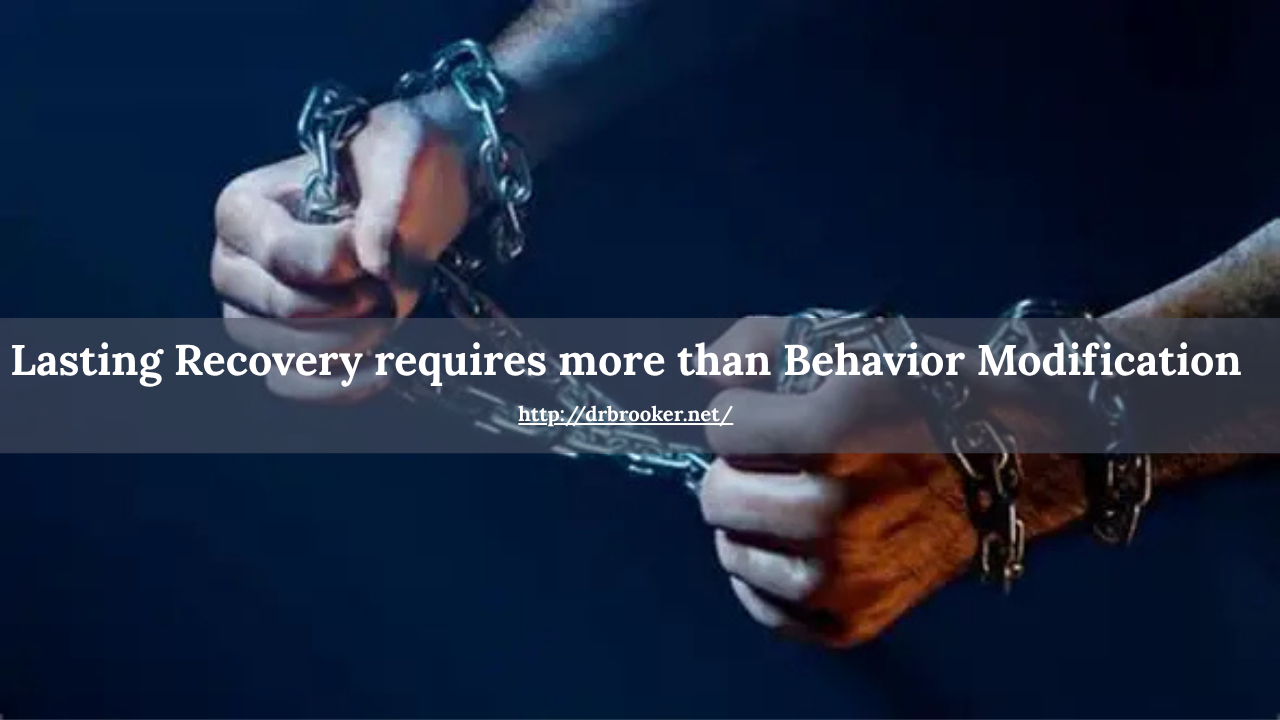
Addiction is one of the most enslaving forms of human brokenness. Whether it manifests as substance abuse, compulsive behaviors, or destructive habits, addiction captures the heart and mind, leaving individuals trapped in cycles of despair. Many seek freedom through willpower, therapy, or self-help methods, but find only temporary relief. Lasting recovery requires more than behavior modification—it requires a new heart. This is where the Doctrines of Grace, central to Reformed theology, offer real and transformative hope.

Total Depravity: Understanding the Depth of the Problem

The first doctrine of grace, total depravity, teaches that sin has corrupted every part of human nature. This does not mean that people are incapable of good actions, but that sin touches the mind, will, and desires. For those battling addiction, this doctrine provides clarity: addiction is not just a bad habit or a character flaw—it is a manifestation of the human condition in rebellion against God. As Romans 3:10 states, “None is righteous, no, not one.”

Acknowledging total depravity is the beginning of healing. It frees the addict from the illusion of self-salvation and points them toward the only true source of rescue—God’s grace.

Unconditional Election: Hope for the Hopeless

Unconditional election teaches that God chooses to save sinners not based on merit, effort, or personal worthiness, but solely by His sovereign love. This truth is profoundly comforting to the addict who feels unworthy of redemption. Ephesians 1:4-5 reminds believers that God chose them in Christ before the foundation of the world. For the addict, this means that God’s grace reaches down into the depths of bondage with the power to rescue, regardless of past failures.

Limited Atonement: Christ’s Effective Work

Limited atonement, or particular redemption, emphasizes that Christ died specifically to save His people, securing both their forgiveness and transformation. John 10:15 says, “I lay down my life for the sheep.” For the addict, this means Christ’s sacrifice is not a general offer of help—it is a personal, powerful act that guarantees real deliverance from sin’s grip.

Irresistible Grace: The Power to Change

Irresistible grace teaches that when God calls a sinner to Himself, that call is effective and cannot ultimately be resisted. The Holy Spirit changes the heart, making repentance and faith possible. For the person trapped in addiction, this means that God’s grace is stronger than their bondage. Philippians 2:13 assures, “For it is God who works in you, both to will and to work for His good pleasure.”

Perseverance of the Saints: Strength to Endure

Recovery from addiction is a lifelong journey. The doctrine of the perseverance of the saints provides assurance that God will sustain His people to the end. As Jesus says in John 10:28, “No one will snatch them out of my hand.” Even when relapses occur, God’s grace never lets go.

Conclusion: Freedom Through Sovereign Grace

The Doctrines of Grace offer more than theology—they offer a lifeline to the addicted soul. By acknowledging total depravity, trusting in sovereign grace, and resting in Christ’s finished work, addicts can experience true freedom. God’s grace doesn’t just forgive—it breaks chains and transforms lives for His glory.

Providence, Prayer, and Perseverance: A Christ-Centered Plan for Overcoming Addiction

Addiction is a deeply spiritual crisis that affects not only the body and mind but the soul. For many, it feels like an endless cycle of failure, shame, and despair. Yet, the Christian faith offers a path to freedom that is both hope-filled and deeply rooted in God’s eternal truths. By embracing God’s providence, devoting oneself to prayer, and committing to perseverance, believers can walk a Christ-centered path toward healing and lasting recovery.

Providence: Trusting in God’s Sovereign Plan

At the heart of Reformed theology is the doctrine of providence—the truth that God is sovereignly working in all things for His glory and the good of those who love Him (Romans 8:28). For someone struggling with addiction, this is more than a comforting idea; it’s a life-giving truth.

Even in the darkest moments, when addiction seems to have total control, God is not absent. He is present, guiding, shaping, and calling His children back to Himself. Joseph’s words in Genesis 50:20 ring true for every addict: “You meant evil against me, but God meant it for good.” God can take even the most broken parts of our story and use them as instruments of redemption.

Recognizing God’s providence provides the addict with a firm foundation. Recovery is not about luck or random chance—it is part of God’s greater plan to sanctify His people and conform them to the image of Christ.

Prayer: Depending on God Daily

Addiction thrives in isolation and self-reliance. True recovery, however, is marked by daily dependence on God through prayer. Prayer is not simply a spiritual discipline; it is a lifeline. Through prayer, believers confess weakness, seek strength, ask for deliverance, and align their hearts with God’s will.

Jesus taught His disciples to pray, “Lead us not into temptation, but deliver us from evil” (Matthew 6:13). For the addict, this is not just a general request—it is a desperate cry for freedom. The habit of turning to God in prayer, especially in moments of temptation or despair, reorients the heart away from idols and toward the only true source of healing.

Moreover, communal prayer is powerful. James 5:16 encourages believers to “confess your sins to one another and pray for one another, that you may be healed.” The church should be a place where struggling individuals find prayerful support, not judgment.

Perseverance: Walking the Long Road by Faith

Addiction recovery is rarely quick or easy. It is a long journey marked by progress, setbacks, and daily decisions. The Christian life, too, is described as a race requiring endurance (Hebrews 12:1). Perseverance is essential—not because believers are strong in themselves, but because Christ sustains them.

Philippians 1:6 provides assurance: “He who began a good work in you will bring it to completion at the day of Jesus Christ.” Even when the road is hard, Christ is faithful. Perseverance in recovery is not about perfection but about continuing to trust, repent, and press forward in grace.

Conclusion: A Christ-Centered Hope

Providence assures us that God is in control. Prayer keeps us connected to His power. Perseverance reminds us that victory is possible through Christ. Together, these truths form a Christ-centered plan for overcoming addiction—not through self-effort, but through dependence on the One who sets captives free. In Him, lasting recovery is not only possible—it is promised.


Addiction as Idolatry: A Reformed Perspective on True Deliverance

Addiction is often described in medical or psychological terms—a disorder of the brain or a failure of impulse control. While these explanations offer helpful insights, they do not reach the root of the problem. From a Reformed Christian perspective, addiction is ultimately a form of idolatry: a turning of the heart toward false gods that promise life but deliver death. Understanding addiction in this light helps point the way to true deliverance—through the grace of God in Christ alone.

The Nature of Idolatry

Scripture teaches that all people are worshippers by nature. As image-bearers of God, we are designed to seek, love, and serve our Creator. But because of the fall, as Reformed theology emphasizes in the doctrine of total depravity, our hearts are corrupted. Instead of worshipping God, we turn to created things to satisfy our deepest needs and desires. Romans 1:25 puts it plainly: we “exchanged the truth about God for a lie and worshiped and served the creature rather than the Creator.”

Addiction is a modern form of this ancient sin. Whether the idol is a substance, a behavior, or an experience, the addict looks to it for comfort, escape, identity, or purpose. What begins as a voluntary pursuit of pleasure becomes slavery. Like all idols, addiction demands sacrifices—of health, relationships, integrity, and peace—and it never truly satisfies. The addict finds, again and again, that their chosen “god” leaves them empty and ashamed.

The Only Hope: The True and Living God

If addiction is idolatry, then the solution is not simply self-control or better choices, but a return to the worship of the true and living God. The Reformed faith points us to the only deliverer: Jesus Christ. As the Heidelberg Catechism reminds us, our only comfort in life and death is that we belong, body and soul, to our faithful Savior.

True deliverance begins when the addict repents—turning away from false gods—and believes in Christ. This is not a matter of human effort, but of sovereign grace. God, by His Spirit, opens blind eyes, softens hard hearts, and draws sinners back to Himself. Ezekiel 36:26 describes this miracle: “And I will give you a new heart, and a new spirit I will put within you.”

Through union with Christ, the addict is not only forgiven, but also set free from sin’s dominion. Romans 6:14 declares, “For sin will have no dominion over you, since you are not under law but under grace.” This freedom is not instantaneous perfection but a lifelong process of sanctification as the Holy Spirit reshapes desires and strengthens the soul to resist temptation.

The Church’s Role

The Reformed tradition teaches that sanctification happens in community. The Church is called to come alongside those struggling with addiction, offering gospel hope, accountability, prayer, and practical help. In this covenant community, addicts are reminded of God’s promises and encouraged to persevere in faith and obedience.

Conclusion

Addiction, at its core, is idolatry—a worship disorder. But in Christ, true deliverance is possible. By grace alone, through faith alone, the idolater is transformed into a worshiper of the living God, finding in Him the joy and freedom that no false god can give.

Breaking the Chains: How Reformed Theology Offers Hope for Addicts

Addiction is more than a bad habit or a series of poor choices—it is bondage. Whether it’s drugs, alcohol, pornography, or another destructive behavior, addiction enslaves the heart and mind. In this captivity, many lose hope. They try and fail, again and again. But Reformed theology offers a message that speaks directly into the darkness of addiction: a message of total dependence on God’s sovereign grace, the power of Christ to save, and the work of the Holy Spirit to transform.

Understanding the Root: Total Depravity

At the heart of Reformed theology is the doctrine of total depravity. This biblical truth teaches that sin has corrupted every part of human nature. As Paul writes in Romans 3:10, “None is righteous, no, not one.” Addiction is a vivid example of this corruption—where desires become twisted, and what begins as pleasure becomes prison.

Rather than minimizing sin, Reformed theology shines a light on the depth of human brokenness. This may sound discouraging, but it’s actually the starting point of true hope. When we admit we are spiritually powerless, we are finally ready to receive help from outside ourselves. The addict doesn’t need self-reform; they need a new heart—and that is exactly what God offers.

Sovereign Grace: Hope for the Helpless

The doctrine of sovereign grace—the unmerited favor of God given freely to sinners—is the cornerstone of Reformed theology. For the addict who has burned every bridge and failed repeatedly, this is incredibly good news. Salvation is not based on effort, willpower, or past performance. It is a gift. Ephesians 2:8-9 declares, “For by grace you have been saved through faith… it is the gift of God, not a result of works.”

Reformed theology teaches that God chooses to save not because of who we are, but in spite of who we are. This means no one is beyond His reach. The addict is not too far gone, too weak, or too broken for the power of the gospel. God’s grace is not only sufficient to forgive sin but to break the power of it.

Freedom in Christ Alone

Christ didn’t come merely to improve lives—He came to set captives free. In John 8:36, Jesus says, “If the Son sets you free, you will be free indeed.” Reformed theology places Christ at the center of all hope and healing. The addict does not fight alone. In union with Christ, they share in His victory over sin and death.

Through Christ’s atoning death, sin’s penalty is paid. Through His resurrection, new life is guaranteed. The addict who places faith in Christ receives more than forgiveness—they receive power to change, as the Holy Spirit begins the lifelong process of sanctification.

The Church: A Place for Restoration

The Reformed tradition emphasizes the role of the covenant community—the Church—as vital to the Christian life. Addicts need a gospel-saturated environment where they are supported, discipled, and held accountable. The Church is not a place for perfect people but for broken ones being restored by grace.

Conclusion

Addiction is real bondage, but Reformed theology offers real freedom. It does not begin with human strength but with God’s initiative. Through total depravity, sovereign grace, and the sufficiency of Christ, addicts can break the chains—not by themselves, but by the power of the gospel. There is hope for the addict—and that hope is found in Christ alone.

The Role of the Church in Supporting Addicts: A Reformed Christian Response

Addiction is one of the most pressing spiritual, emotional, and social crises of our time. Whether it takes the form of substance abuse, pornography, gambling, or any other destructive pattern, addiction devastates lives and fractures communities. In the face of such brokenness, the Church must not remain silent or distant. A Reformed Christian response compels the Church to engage with both conviction and compassion, grounded in the gospel of Jesus Christ.

The Church as a Hospital for Sinners

The Reformed tradition teaches that all people are fallen due to original sin (Romans 3:10-12). Addiction is one of many ways in which total depravity manifests. Because of this, the Church should never view addicts as a special class of sinners, but rather as fellow strugglers in need of grace. Jesus declared, “Those who are well have no need of a physician, but those who are sick” (Mark 2:17). The Church is a hospital for sinners—not a showroom for the righteous.

By recognizing this, the Church can create a culture of grace where addicts feel safe to confess their struggles without fear of judgment. Instead of hiding their sin, they are invited into the light of gospel community, where repentance, accountability, and healing can begin.

Preaching the Full Gospel

A Reformed Church’s primary weapon against addiction is not therapy or self-help but the faithful preaching of the Word. Romans 1:16 reminds us, “The gospel… is the power of God for salvation to everyone who believes.” The addict does not need a better version of themselves—they need to be made new. Only the gospel can deliver such radical transformation.

Preaching must highlight both the seriousness of sin and the sufficiency of Christ. It must confront the false saviors that addicts pursue, while also lifting up the true Savior who offers living water to the spiritually thirsty. The doctrines of grace—total depravity, unconditional election, limited atonement, irresistible grace, and perseverance of the saints—speak directly to the heart of the addict’s condition and offer real hope.

Community and Accountability

Reformed theology emphasizes the covenant community of the Church. Sanctification does not occur in isolation. Hebrews 10:24-25 calls believers to encourage one another and not forsake meeting together. For those recovering from addiction, ongoing discipleship and accountability are essential.

Churches must foster deep relationships where members regularly bear one another’s burdens (Galatians 6:2). This might include support groups, mentoring relationships, and regular prayer. Elders and mature believers can come alongside recovering addicts, helping them apply biblical truth to daily struggles and holding them accountable in love.

A Call to Compassionate Action

Ultimately, the Church must reflect the heart of Christ, who came to seek and save the lost (Luke 19:10). The Reformed response is not passive. It is not enough to affirm doctrine from the pulpit; the Church must actively embody the love of God to those bound in sin. This means entering into the messiness of addiction with truth, mercy, and perseverance.

Conclusion: The Church as a Beacon of Grace

In a world ravaged by addiction, the Church is uniquely positioned to bring hope. Rooted in Reformed theology, the Church offers more than programs—it offers Christ Himself. Through sound doctrine, loving community, and gospel-driven compassion, the Church can be a powerful instrument of healing and restoration for those seeking freedom from addiction.

Faith Alone, Grace Alone, Recovery Through Christ Alone

Addiction is a brutal master—deceiving, enslaving, and ultimately destroying those under its control. For many, the path to recovery is filled with frustration and despair, especially when attempts to heal are grounded in human effort alone. However, the timeless truths of the Reformation—faith alone, grace alone, and Christ alone—provide a radically different and deeply hopeful foundation for lasting recovery. These doctrines don’t just offer theological insight; they present a powerful framework for true freedom from addiction.

Faith Alone: Trusting in God, Not Ourselves

The doctrine of sola fide, or “faith alone,” teaches that we are justified before God not by our works or personal merit, but through faith in Jesus Christ. This truth is especially freeing for those struggling with addiction. Recovery often fails when it is rooted in self-reliance—when we believe that sheer willpower or self-discipline is enough to overcome our bondage. But Scripture tells a different story.

Ephesians 2:8-9 declares, “For by grace you have been saved through faith. And this is not your own doing; it is the gift of God.” Faith is not a work we muster up—it’s a gift from God. For the addict, this means that transformation begins not by trying harder but by trusting deeper. Recovery starts when one stops believing in their own strength and begins to rest in the finished work of Christ.

Grace Alone: God’s Unmerited Favor for the Broken

Sola gratia, or “grace alone,” reminds us that salvation and healing are entirely undeserved. In addiction, guilt and shame often keep people trapped, convinced that they are too far gone for redemption. But the gospel speaks a better word. Grace is God’s favor toward the undeserving. It is His initiative to love, forgive, and transform sinners—not because of who they are, but because of who He is.

Titus 2:11-12 says, “For the grace of God has appeared, bringing salvation for all people, training us to renounce ungodliness… and to live self-controlled, upright, and godly lives.” Grace not only forgives the past but also empowers change in the present. In recovery, grace means that no one is beyond hope. God meets people at their lowest and lifts them up—not through punishment, but through patient, transformative love.

Christ Alone: The Only True Source of Freedom

Solus Christus, or “Christ alone,” asserts that Jesus is the sole mediator between God and man. No program, no system, no human wisdom can offer what Christ does: complete redemption. He alone has the power to break the chains of sin and addiction.

John 8:36 says, “So if the Son sets you free, you will be free indeed.” The promise of recovery in Christ is not superficial—it’s total. Jesus doesn’t just clean up behavior; He changes hearts. His life, death, and resurrection provide the only sufficient remedy for the enslaving power of addiction.

Conclusion: A Gospel-Centered Recovery

True recovery is not found in human strength, moral resolve, or external programs—it is found in the gospel. Through faith alone, we are united to Christ. By grace alone, we are forgiven and empowered. In Christ alone, we find true freedom. For anyone in the grip of addiction, this is the best news imaginable: God doesn’t ask us to clean ourselves up first—He offers us healing and freedom in Jesus.